
Why the Cheapest Fit-Out Is Rarely the Cheapest
There is a particular kind of regret familiar to anyone who has managed a workspace for a few years. The fit-out that came in well under the others, the one that looked like a clever saving at the time, starts to come apart. Edges chip. Joints open up. A finish that is photographed beautifully looks tired within a season. Doors stop sitting square. And slowly the savings reverse, paid back with interest in repairs, disruption and the cost of doing parts of the job a second time.
This is the quiet economics of quality. The cheapest fit-out is rarely the cheapest once you count the whole story, because a quick fix is, almost by definition, a problem deferred rather than solved. Long-term quality is not a luxury or an indulgence. For any space meant to last which is to say, every serious workplace is simply the more sensible way to spend money.
Where Quality Actually Comes From
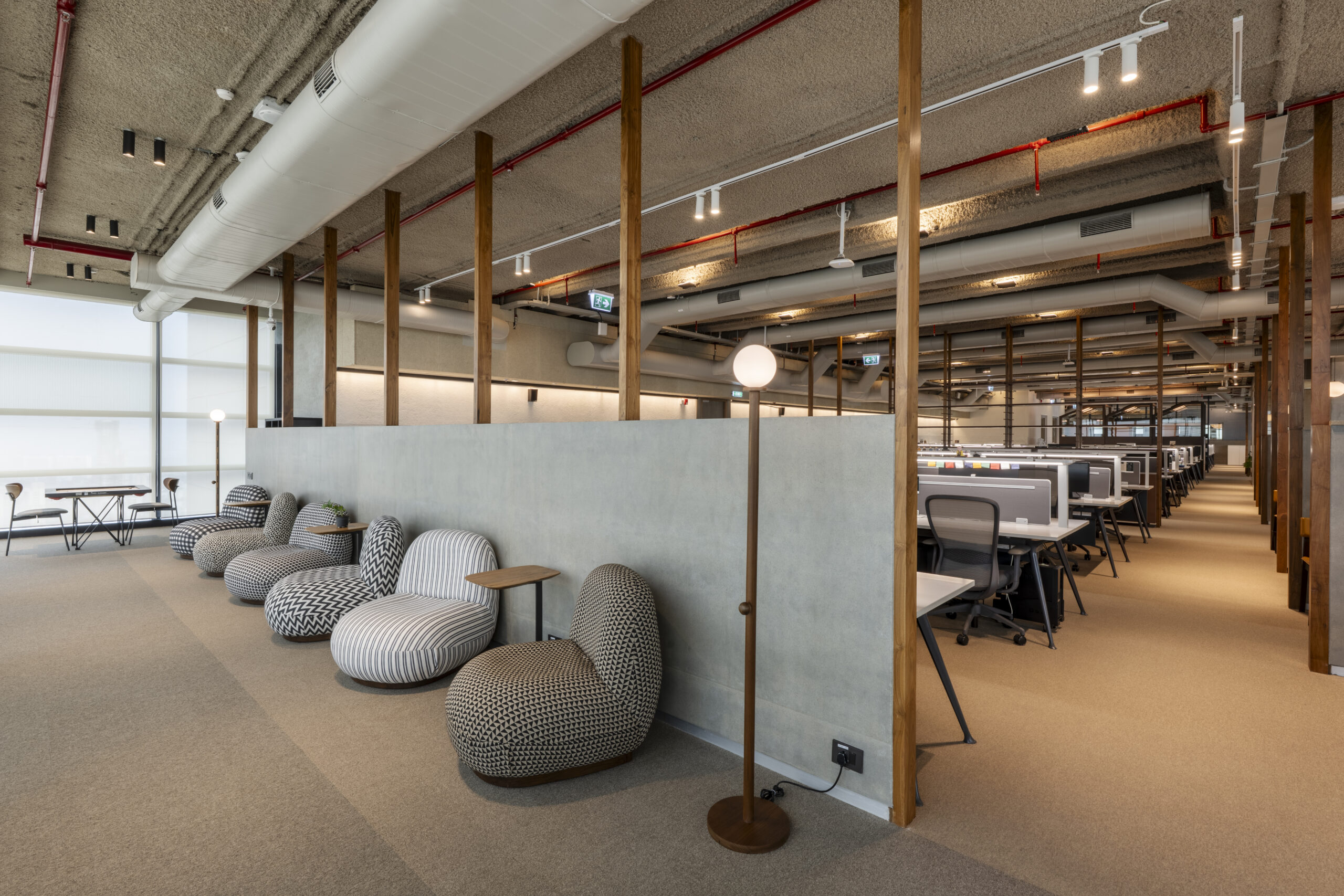
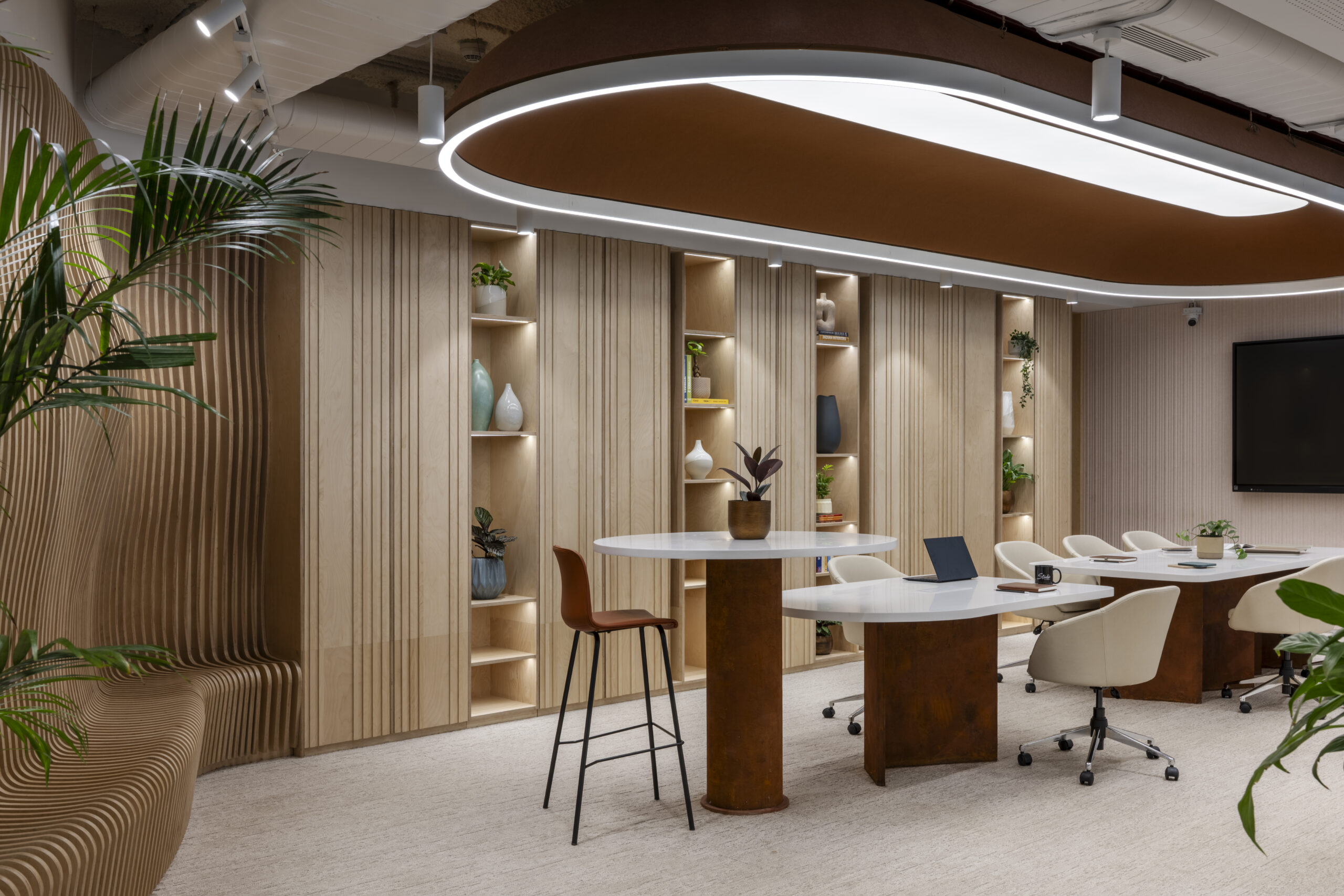
Quality in a fit-out is easy to admire and surprisingly hard to specify, because it does not live in any single visible thing. It lives in places most people never look: in the detailing, in the materials chosen for how they behave over years rather than how they look on day one, and above all in the discipline of execution. A space can be beautifully designed and still fail, if the gap between the drawing and the built reality is wide enough. Most fit-out failures are not design failures at all. They are execution failures, the corners cut where nobody was expected to look, the coordination skipped to save a week.
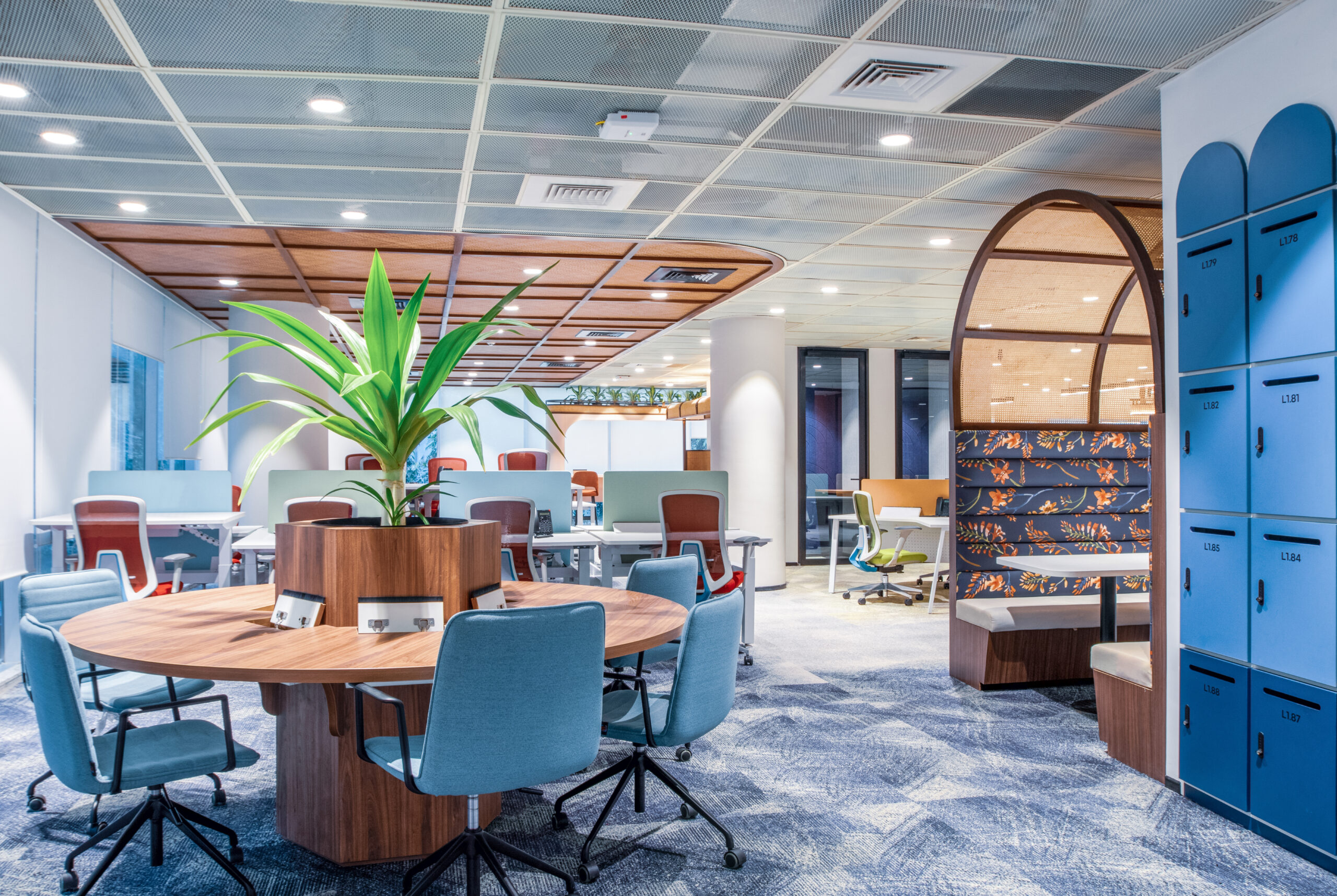
This is why how a fit-out is delivered matters as much as what is specified. Quality comes from the unglamorous things work properly sequenced, services genuinely coordinated rather than clashing in the ceiling, materials handled and stored with care, and people on site who take pride in a joint that lines up. None of it shows in a photograph. All of it shows in year three.
Year 3 0
When quality decisions made on Day 1 become clearly visible
German CNC 0
Precision woodworking machinery in Eleganz's own factories
0
+
Projects built to last across 38 years and 40M+ sqft
The Case for the Factory
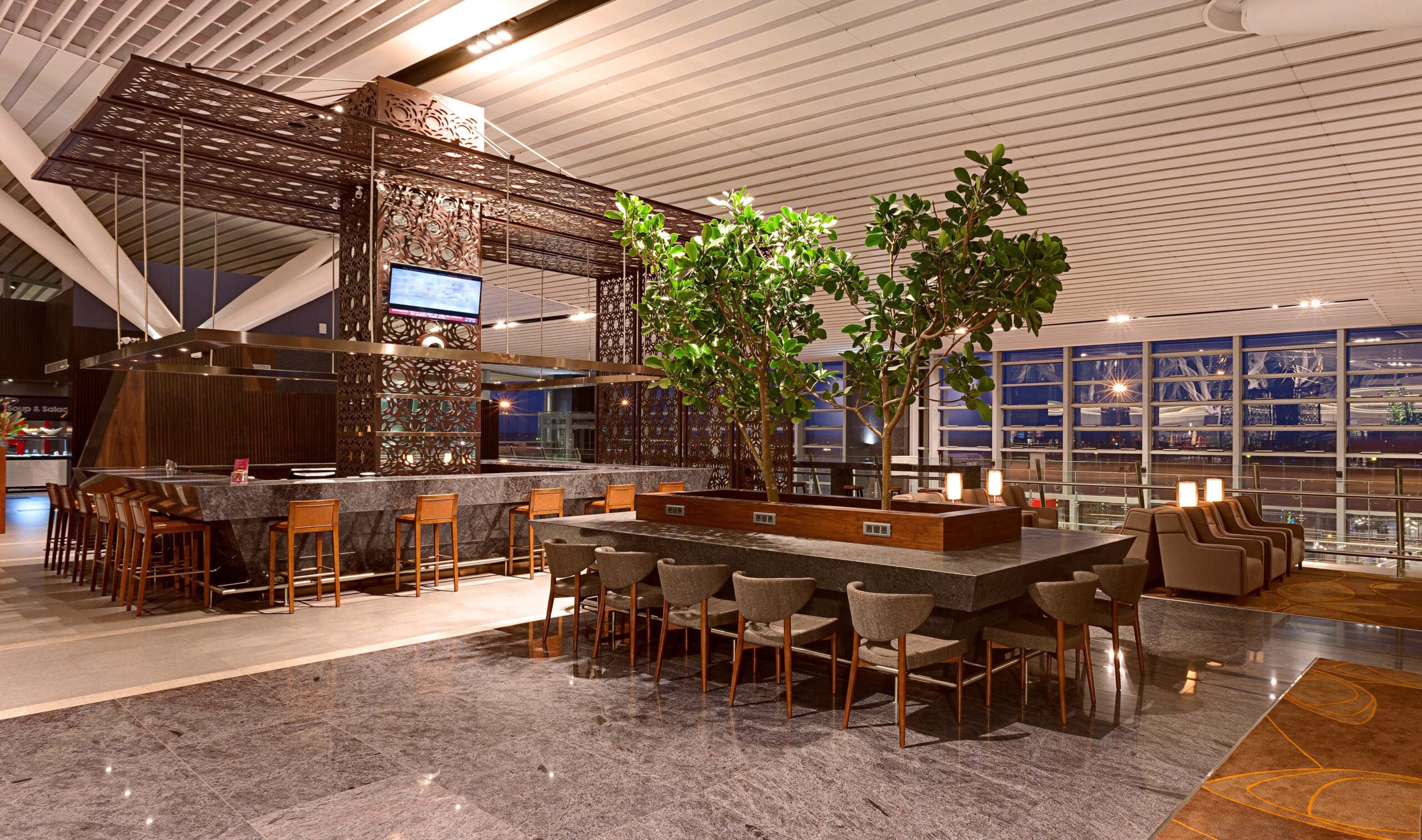
One of the most reliable ways to raise quality is to take the most demanding work off the chaotic, dusty, weather-exposed site and into a controlled environment. Joinery is the clearest example. A cabinet or a panel built by hand on site, in monsoon humidity, with improvised tools and variable supervision, is at the mercy of conditions nobody can fully control. The same item produced in a proper woodworking factory to precise tolerances, on calibrated machinery, under consistent conditions comes out right, repeatably, and arrives ready to install.
Our own investment in fully automated woodworking factories, fitted with high-precision German machinery, comes down to exactly this conviction: that the controlled environment of a factory produces a quality of joinery and finish that site fabrication struggles to match consistently. Precision at the point of manufacture means fewer problems at the point of installation and far fewer problems for the years after. Quality, in this sense, is built long before anyone reaches the site.
Materials deserve the same long view. A finish chosen for how it photographs on day one, with no thought for how it wears, ages or cleans, is a decision that bills you again every year it stays in service. The materials that earn their place in a serious fit-out are the ones selected for behaviour over time: how they take a knock, hold their colour, survive repeated cleaning, and still look right in year five — not merely for the impression they make in the opening week.
Quality Under Pressure
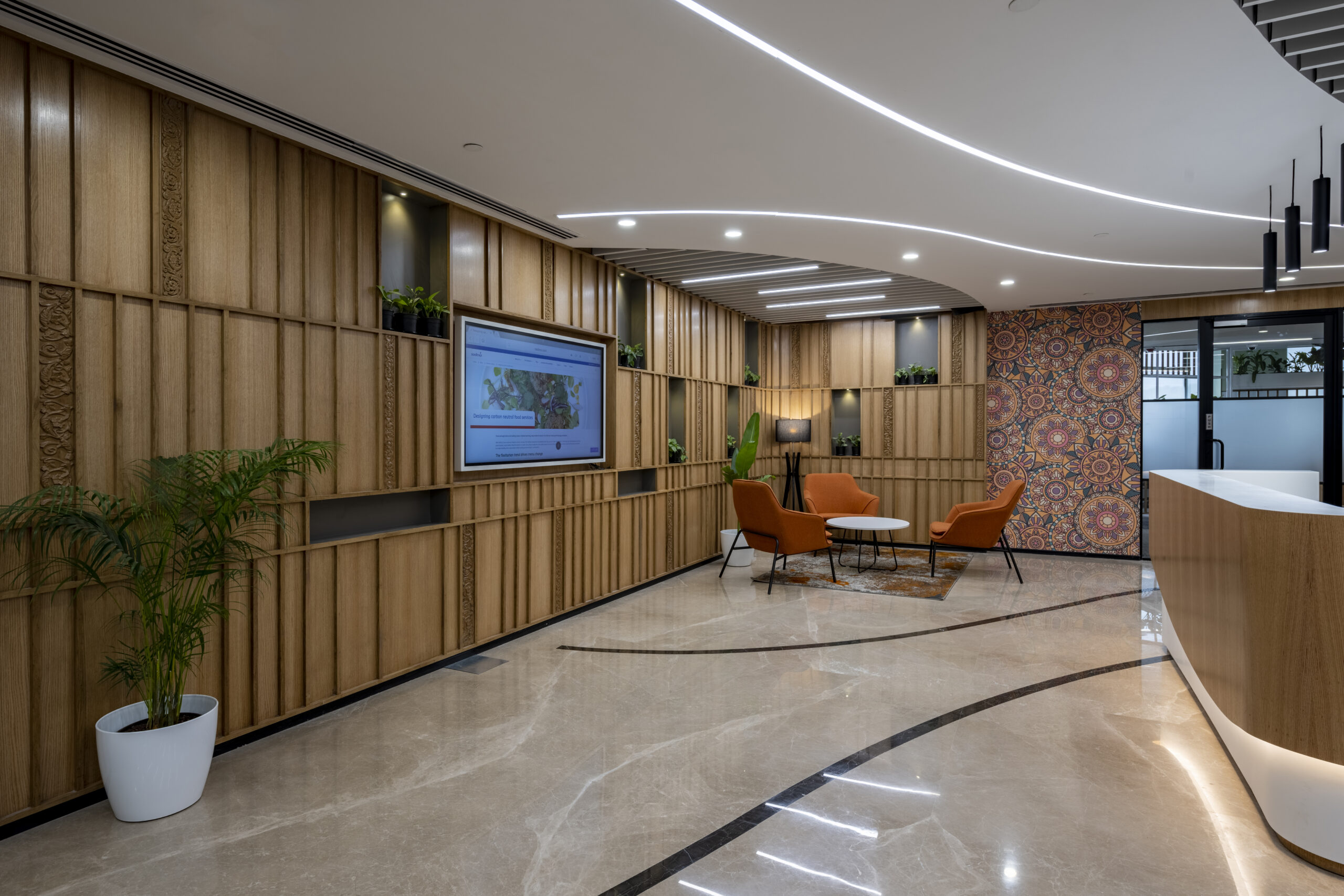
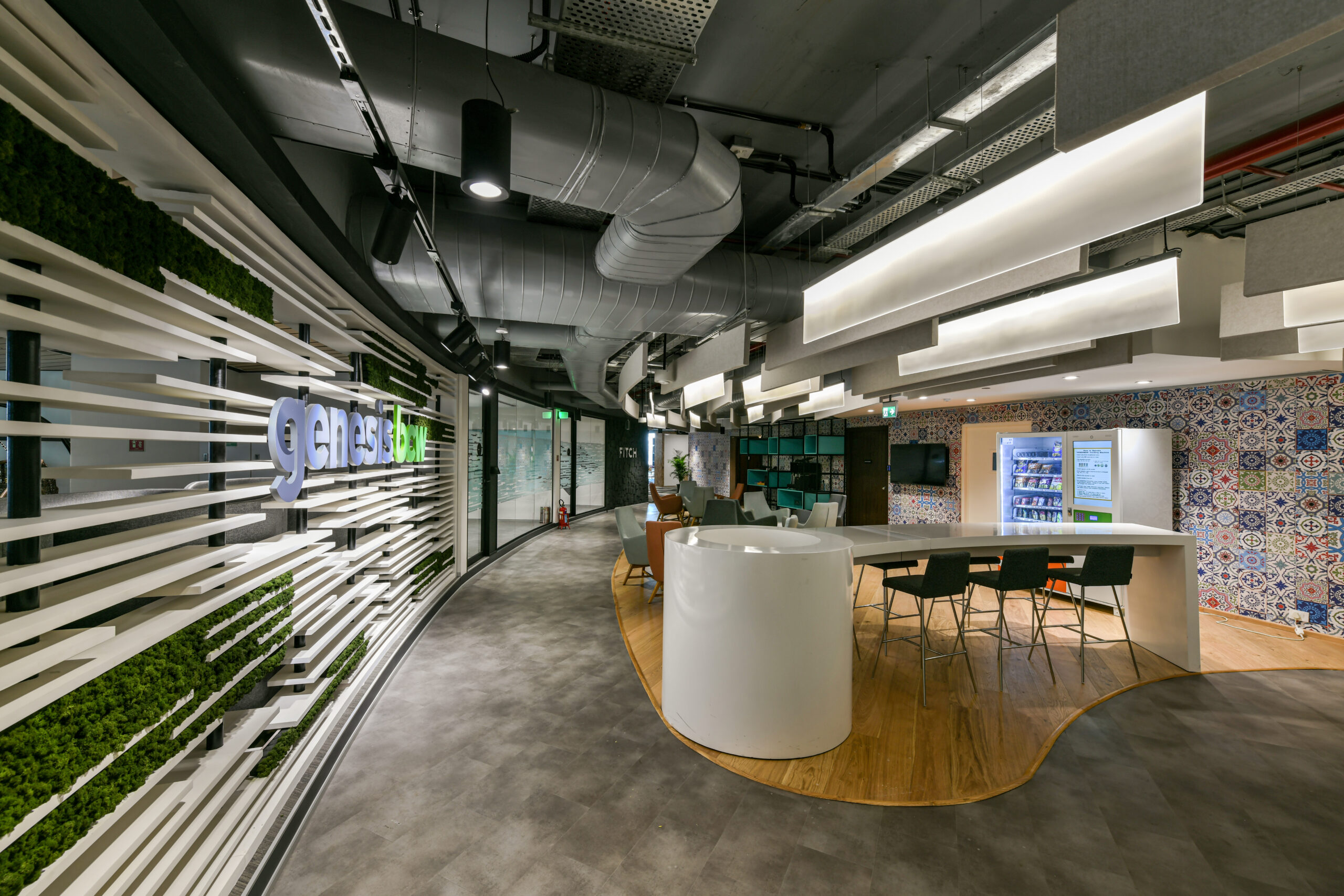
Some environments expose a fit-out to punishment that quietly destroys lesser work, and they are where the value of doing things properly becomes impossible to argue with. Airport lounges are a vivid example. The footfall is enormous and unrelenting, the space runs effectively around the clock, and there is no quiet period in which to repair anything discreetly. A finish or a fitting that cannot take that load fails fast and fails in public. Building for an environment like that means specifying for genuine durability and detailing for heavy use from the outset there is simply no room for the merely adequate.
Hospitality applies the same pressure with an added demand: it must endure constant use and still look immaculate, because in that business appearance is the product. The hotels and lounges we have worked on have to absorb relentless wear while presenting flawlessly to every guest, every day. Healthcare adds its own layer again, where surfaces must withstand intensive cleaning, heavy traffic and strict hygiene regimes without degrading. Each of these sectors teaches the same lesson in a different accent: build it to last, or rebuild it sooner than you think.
The Proof Is in the Handover and What Follows
Quality reveals itself at two moments that get far too little attention. The first is handover — the snagging, the close-out, the careful checking and correcting of the hundred small things that separate a space that is genuinely finished from one that has merely been vacated by the contractor. A rushed handover is a reliable predictor of trouble ahead. A thorough one is a sign the rest was probably done properly too.
This is also where a single accountable partner matters most. When design, manufacture and installation have all run through one team, there is no one to point at when something needs putting right, and no gap between trades for a defect to hide in. The accountability stays whole. A fractured supply chain, by contrast, tends to discover at handover that every fault is somehow someone else’s responsibility which is just a longer way of saying it has quietly become the client’s.
The second moment is everything after handover how the space performs once it is lived in, and whether the people who built it stand behind it. Meaningful warranties, a willingness to return and put right what needs putting right, and the kind of accountability that does not evaporate the day the final invoice is paid: these are what separate a serious fit-out partner from a vendor who has already moved on. Quality is a relationship that outlasts the project, not a transaction that ends with the keys.
On Time Is Part of Quality
It is worth saying plainly that delivering on time is itself a measure of quality, not a separate virtue. A fit-out that overruns inflicts real cost extended rent on two spaces at once, delayed moves, business disruption, plans thrown out of sequence. And the projects that slip are very often the ones being rushed and patched at the end, which means the delay and the quality problems usually arrive together, hand in hand. Predictable, on-time delivery comes from disciplined planning and proper execution, the same disciplines that produce a space built to last. “Quality, on time” is not two promises. It is one.
In the end, choosing long-term quality over the quick fix is simply choosing to count the full cost rather than only the first one. A space built properly serves the business for years, costs less to keep, and reflects well on the organisation every single day it is in use. The temptation to save at the start is real, and understandable, and almost always more expensive than it looks. Build it once, build it right it remains the cheapest way to build.
The Eleganz Perspective
Eleganz’s investment in its own CNC woodworking factories equipped with high-precision German machinery reflects the conviction that quality is manufactured, not improvised. Across 38 years, 1,000+ projects and 40 million sqft, the standard has been consistent: build it to last, deliver on time, and stand behind it after the handover.
Founded in 1988, Eleganz Interiors has spent 38 years building a design-and-build practice now spanning more than 1,000 completed projects and over 40 million sqft delivered across India and Singapore. We work from seven offices Mumbai, Bengaluru, Hyderabad, Chennai, Delhi NCR, Pune and Singapore and as a founding member of the Indian Green Building Council (IGBC), sustainability is delivered as standard, not as an add-on.
Ready to Design Your Next Workplace?
Want a fit-out that still looks and performs as well in year five as it did on day one? Eleganz delivers quality through factory precision, single-point accountability and the discipline to build things right the first time.