
Getting More From Every Square Foot and Every Rupee
“Smart use of space and investment” is one of those phrases everyone nods along to and few define. It is worth being precise, because the lazy reading smart means cheap is the one that quietly costs companies the most. A genuinely smart fit-out is not the one with the lowest quote. It is the one that returns the most value for what was spent, across the years the space is actually used. Those are very different targets, and confusing them is how organisations end up paying twice.
Space and money are the two resources every workplace project is really managing, and the discipline is in spending both where they earn their keep and refusing to waste either on things that merely look like savings. That takes judgement, honest numbers and a willingness to think beyond the day of handover.
This is why culture and design are inseparable, and why “brand-led” interior design means a great deal more than putting the logo in reception and matching the brand colours. A space carries culture the way tone of voice carries meaning mostly underneath the words. The question worth asking before any design begins is not what the company wants the office to look like, but what it wants the office to say, and to whom.
Efficiency Is Not the Same as Squeezing
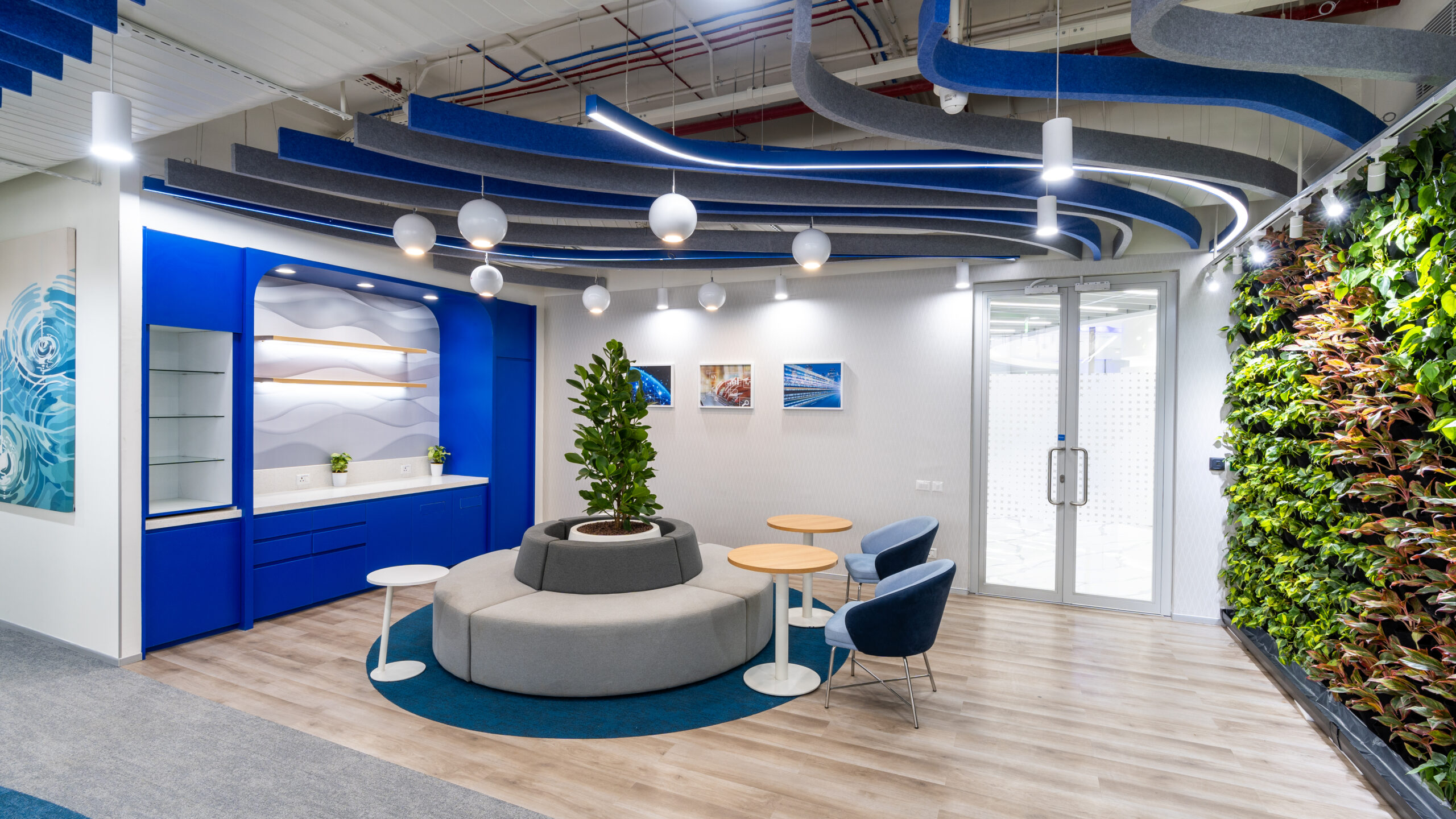
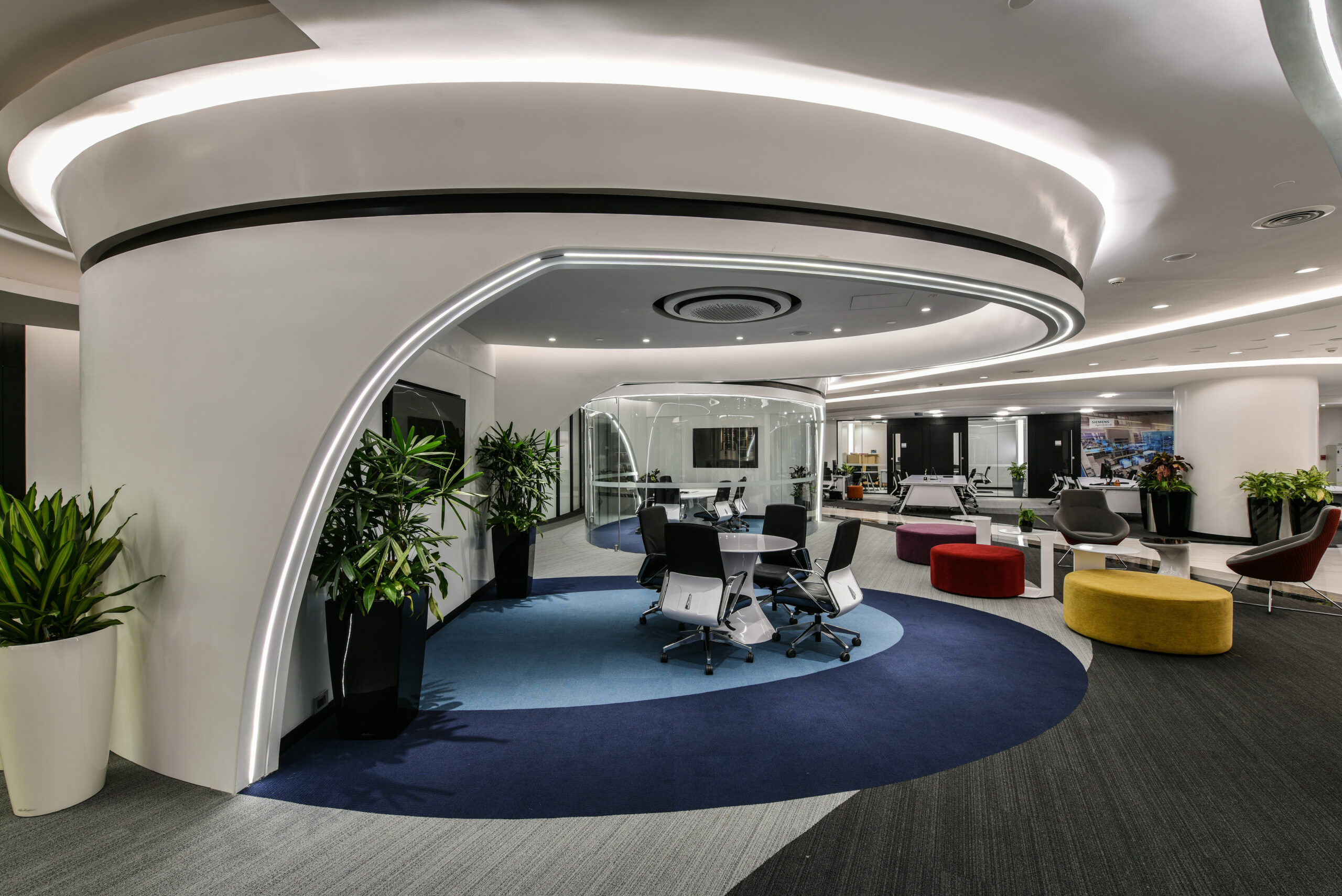
Space efficiency gets misread as cramming the maximum number of people onto a floor. That is not efficiency; it is density, and pushed too far it actively destroys the value of a packed floor where nobody can concentrate, collaborate or find a quiet moment is not an efficient asset, however good the cost-per-seat number looks on paper. Real efficiency is making every square foot do useful work. Sometimes that means more shared and varied settings and fewer assigned desks. Sometimes it means accepting a slightly lower headcount per floor in exchange for a space that performs.
The right measure is not how many people fit, but how well the space supports what those people are there to do. We have planned floors where reducing the raw desk count and reallocating that area to the right mix of focus and collaboration settings produced an unmistakably more effective workplace and a happier one than the maximum-density version would have. Optimisation done well frees up budget and floor area for the things that genuinely move the needle, rather than chasing a seat count that flatters a spreadsheet and frustrates the staff.
These are choices with a price, which is exactly why they are honest. Anyone can write a value on a wall. Choosing to spend floor area and budget in line with that value is what makes it real, and the staff read those choices accurately and immediately. Design is where a company’s stated culture and its actual priorities are forced to meet, and the gap between them becomes visible to everyone who works there.
New joiners feel this most sharply, because they read the space before they have learned to read the people. On the first morning, long before they understand the politics or the unwritten rules, they absorb what the office is telling them whether this is a place that trusts its staff, whether hierarchy is rigid or relaxed, whether care and quality matter here. The workplace runs its own cultural induction from the first minute, for better or worse, whatever the orientation deck happens to say.
₹2,800–4,500 0
Indicative GCC / IT Cat B fit-out cost per sqft (India 2026)
₹4,500–7,500 0
Flagship HQ Cat B+ fit-out cost per sqft (India 2026)
10-Year 0
Lifecycle lens: the only honest way to judge fit-out investment
The Number That Actually Matters Is Lifecycle Cost
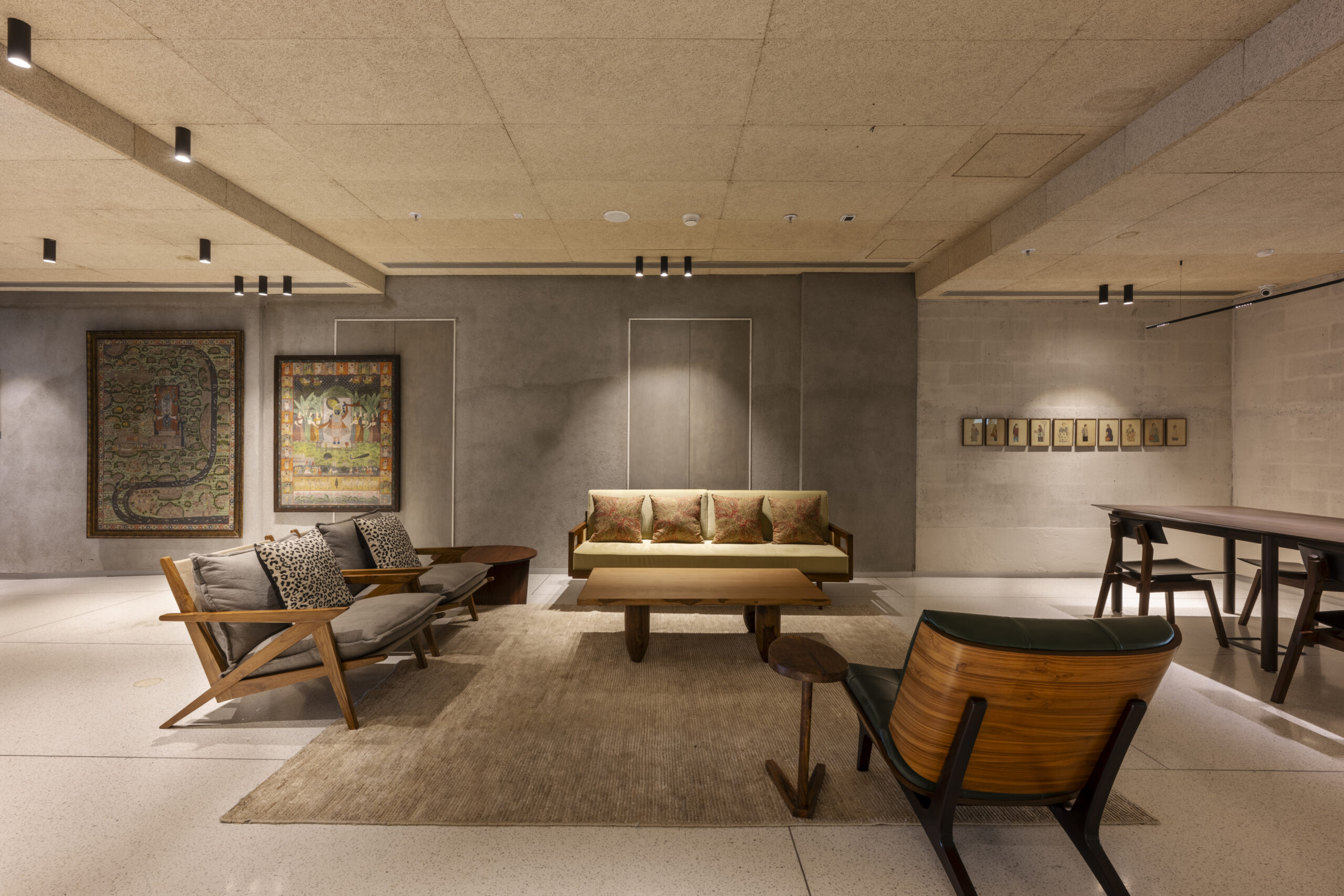
The single most expensive mistake in fit-out budgeting is judging a project on upfront capital cost alone. The cheapest installation is frequently the most expensive thing you can own, because the real cost of a workplace is the total cost across its life the capital outlay, plus everything it costs to run, maintain, repair and eventually replace.
A lower-cost air-conditioning system that consumes more energy every month. Cheaper finishes that look tired within a year and need redoing. Low-grade fittings that fail and pull maintenance teams back again and again. Each of these wins the initial quote and loses the decade. Smart investment means weighing the upfront number against the running and replacement costs, and very often spending a little more at the start to spend far less over the years the space is in use.
There is a useful habit here, borrowed from people who own buildings for the long term: ask, of every significant choice, not “what does this cost to install” but “what does this cost to own for ten years.” The answer reorders priorities quickly. It tends to justify the better mechanical system, the more durable finish, the fitting that will not need replacing twice and it exposes the false economies that only ever looked good on the opening-day quote.
Value Engineering, Done Honestly
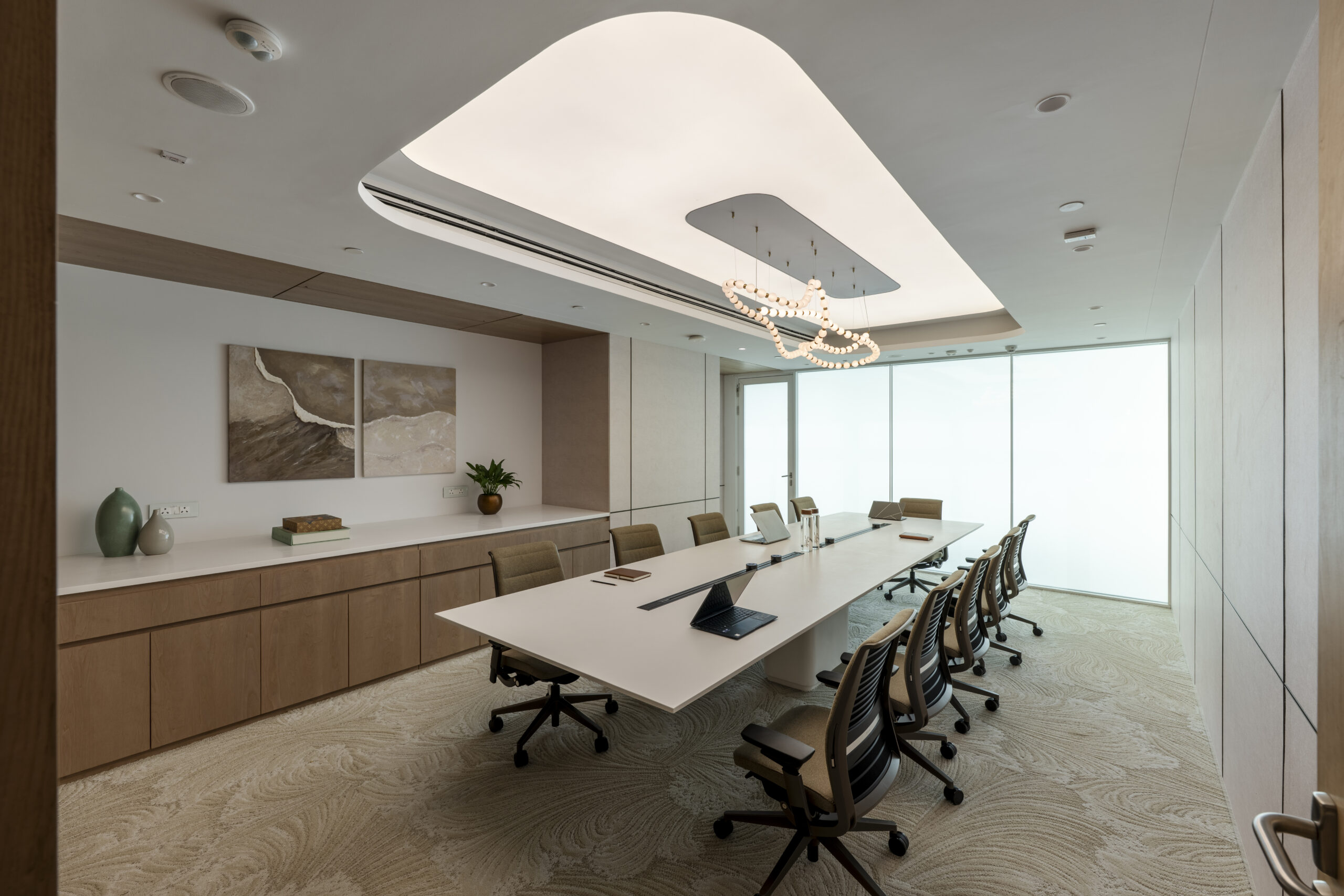
Value engineering has earned a slightly grubby reputation, because too often it is just cost-cutting wearing a respectable name, a late-stage scramble to strip quality out of a design to hit a number, leaving everyone with a worse space and a thinner explanation. Done properly, it is something entirely different and genuinely valuable: finding ways to achieve the same outcome the same look, the same performance, the same experience for less, through smarter material choices, sensible detailing, and the buying power and engineering knowledge to know where a cheaper route truly costs nothing and where it quietly costs everything.
The difference comes down to who is doing it and when. When design, engineering, procurement and execution sit in the same team, value engineering happens early and intelligently, as part of designing the thing well, rather than as a panic late in the day. The intent is protected while the cost is brought into line, instead of the intent being sacrificed to rescue a number.
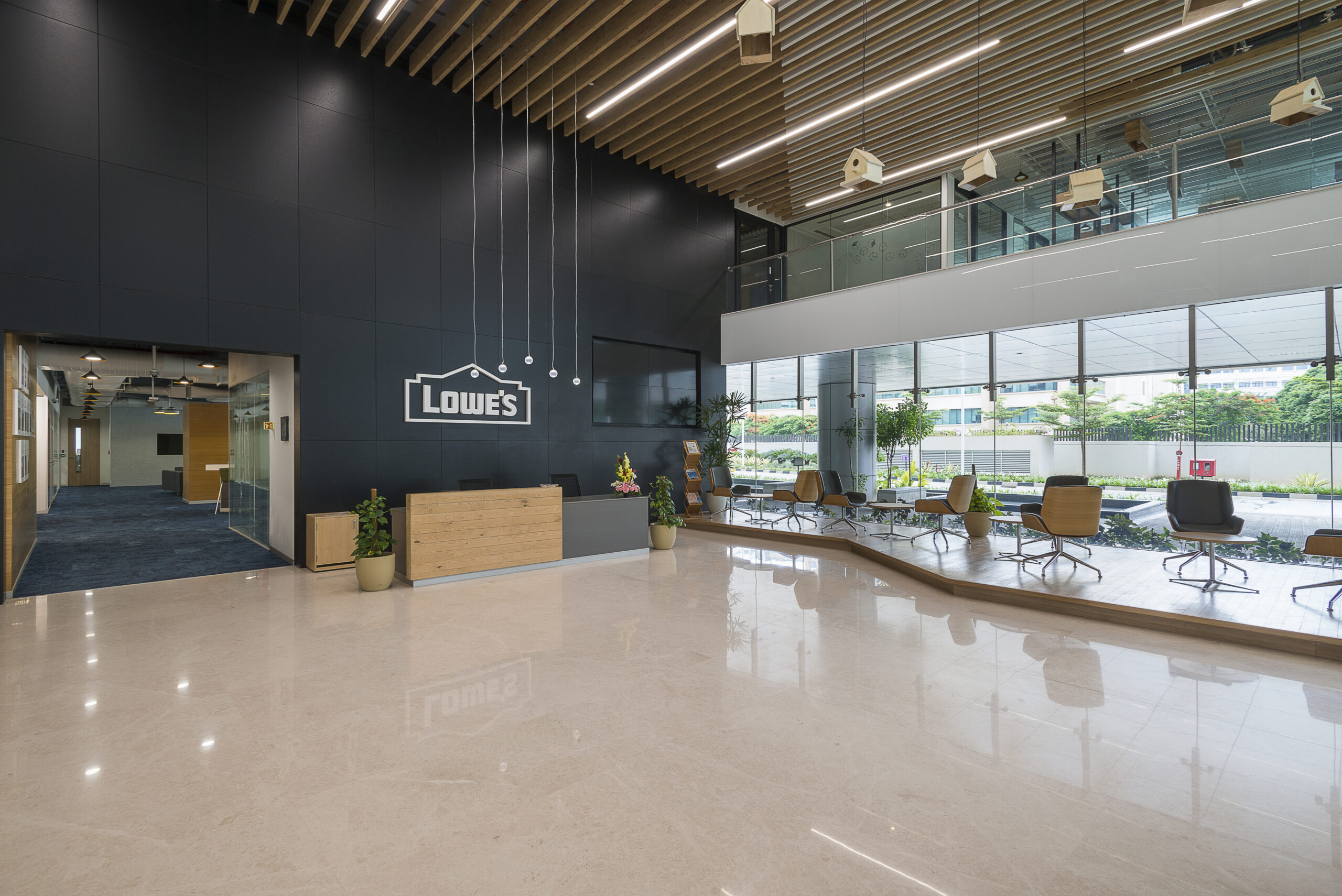
Where to Spend, Where to Save
Not every part of a workplace deserves equal investment, and pretending otherwise is its own form of waste. The art is matching spend to impact. The systems that affect every person every day air, light, acoustics, the working settings generally repay investment many times over. Areas that are seen rarely or carry little functional load can usually be done more simply without anyone being the poorer for it.
Retail sharpens this discipline more than any other sector, because in a store every rupee of fit-out is measured against the sales it helps generate. Spend lands where it shapes how customers move, feel and buy; it is withheld from the storeroom and the corners customers never see. That ruthless clarity about what the investment is actually for not decoration, but outcome is exactly the question every office project should be able to answer about its own budget, even when the outcome is measured in retention and productivity rather than till receipts.
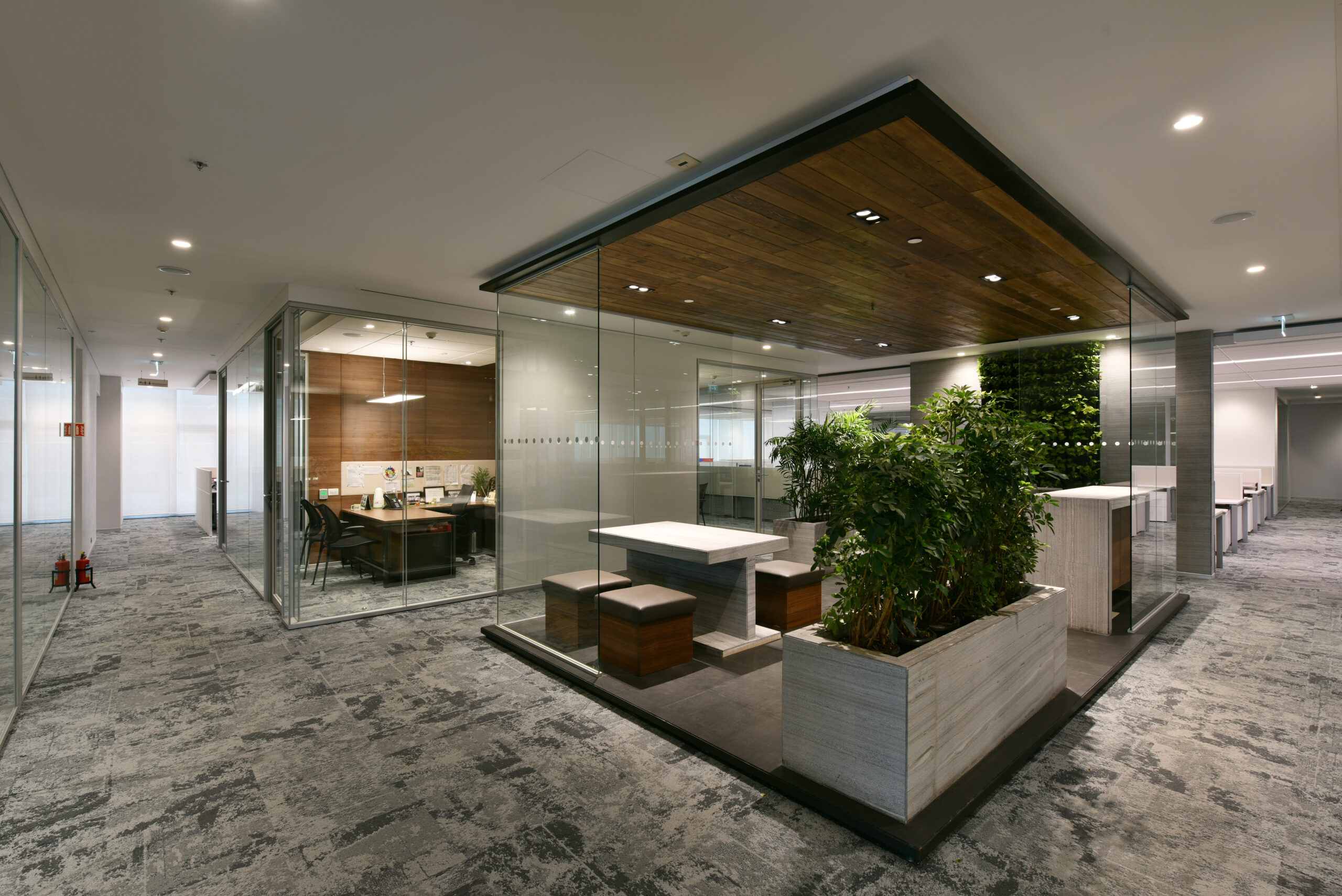
Single Accountability Stops the Leakage
A quiet, underestimated source of waste in fit-out is the gap between parties between designer and contractor, between trades, between the drawing and what actually gets built. Every hand-off is a chance for cost to creep, for responsibility to blur, for the design to be diluted by someone who never understood the intent. Errors found late are expensive errors. Coordination failures between services are expensive failures.
An integrated, single-point delivery model closes most of those gaps. When one team is accountable from concept through to handover, there is no margin stacked at every interface, no finger-pointing when something goes wrong, and far less of the rework that silently inflates a project. The budget goes into the building rather than into the friction between the people supposed to be building it. That, more than any single material choice, is often where the real savings live.
Smart use of space and investment, then, is not about spending as little as possible. It is about spending wisely, putting space and money where they generate genuine, lasting value, and refusing to waste either on false economies that bill you twice. Get that judgement right and the workplace pays you back, quietly, for the whole of its life.
The Eleganz Perspective
As a pure design-and-build practice, Eleganz holds accountability across every stage from brief and space planning through engineering, procurement and execution. That single-point model is where the real savings live: no interface margins, no late-stage surprises, no rework between trades. We apply a lifecycle lens to every budget decision because that is the only honest way to judge what a fit-out is truly worth.
Founded in 1988, Eleganz Interiors has spent 38 years building a design-and-build practice now spanning more than 1,000 completed projects and over 40 million sqft delivered across India and Singapore. We work from seven offices Mumbai, Bengaluru, Hyderabad, Chennai, Delhi NCR, Pune and Singapore and as a founding member of the Indian Green Building Council (IGBC), sustainability is delivered as standard, not as an add-on.

Ready to Design Your Next Workplace?
Want every rupee in your fit-out to earn its keep? Eleganz applies lifecycle thinking and integrated delivery to make space and investment work harder — from the first sketch to the final handover.