
WELL-Aligned Design India's Construction Boom
India’s office market absorbed a record 83.1 million sq ft in 2025 a third consecutive all-time high. The tenants driving that demand are increasingly unwilling to compromise on workplace wellness. But for most Indian organisations, formal WELL certification remains financially out of reach. The smarter play: design to WELL principles without paying for the badge.
Global Capability Centres (GCCs) which accounted for 45% of total pan-India office absorption in 2025 are setting the agenda. A May 2025 Business Standard report found that GCCs are choosing Grade-A, ESG-compliant buildings “not only to bolster brand reputation, but to attract and retain top talent, improve operational efficiency, and enhance employee productivity.” Indoor environmental quality air, light, acoustics, thermal comfort is now a primary selection criterion, not an afterthought.
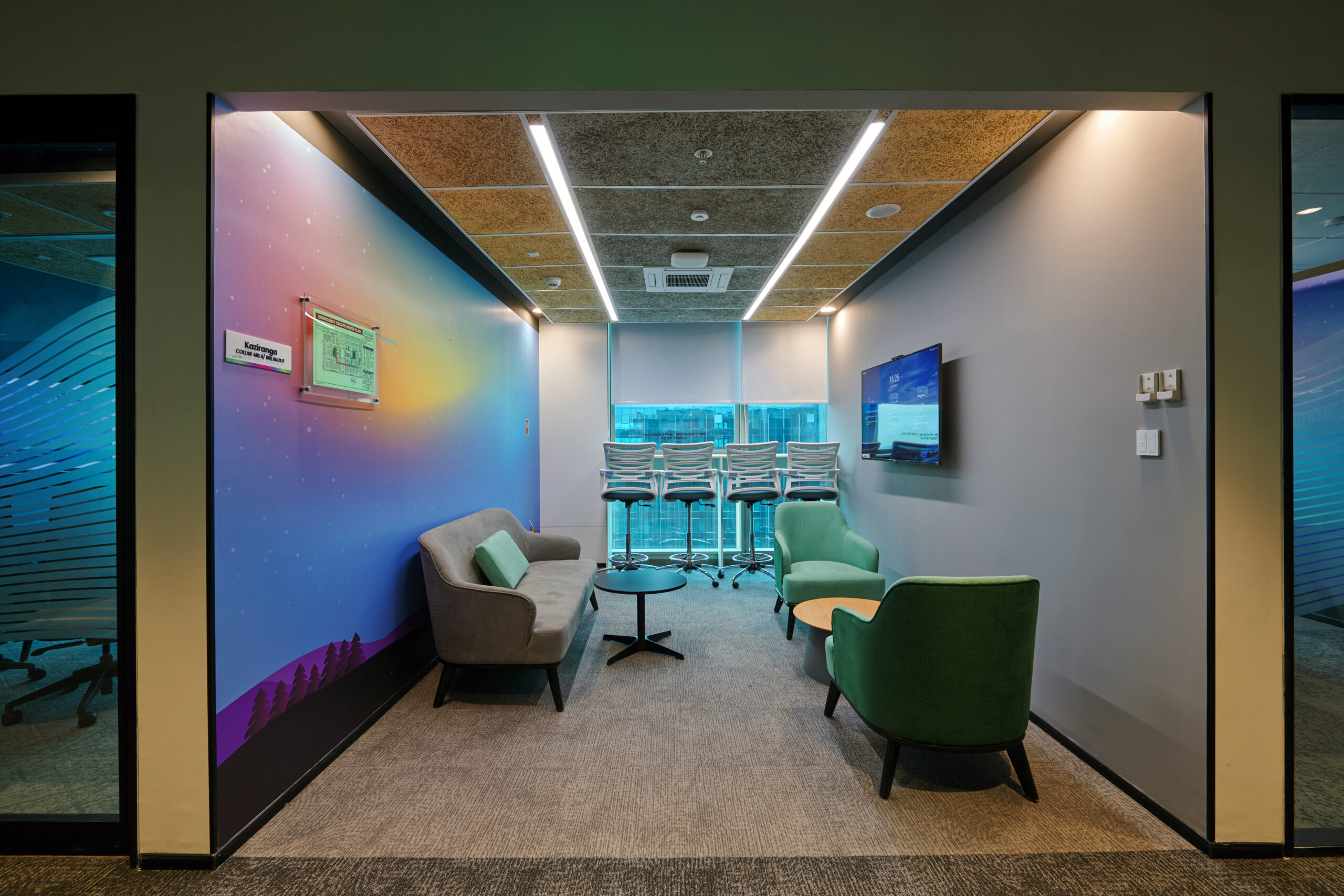
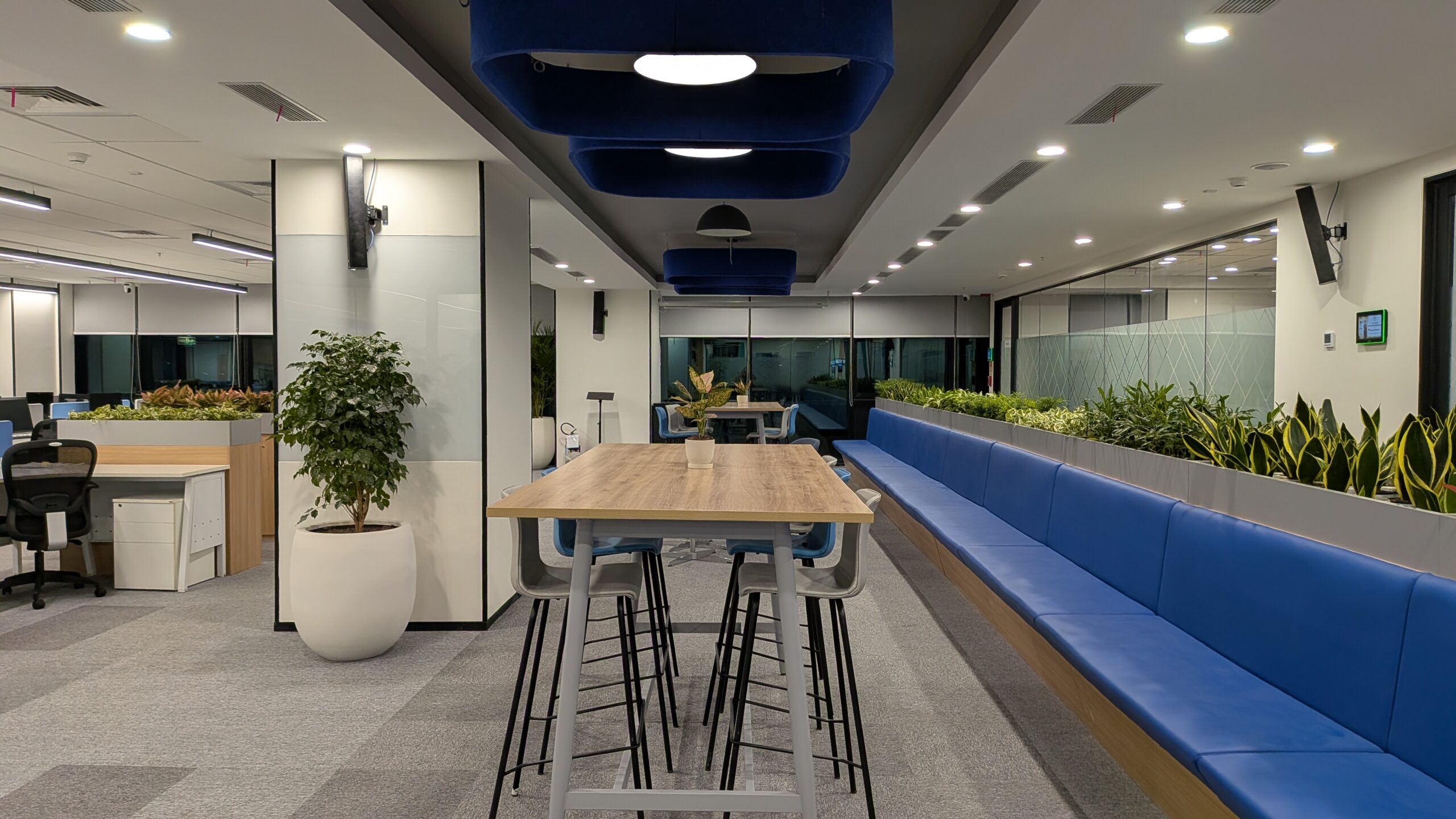
The science behind WELL is unambiguous. Humans in India’s urban centres spend over 90% of their time indoors. Poor indoor environments, inadequate ventilation, harsh fluorescent lighting, acoustically uncontrolled open plans are directly linked to increased absenteeism, reduced cognitive output, and higher attrition. The Colliers India 2026 outlook report identifies sustainability-focused, climate-resilient workplaces as one of five structural growth drivers noting that ESG performance has evolved from a compliance metric to a true value driver influencing asset valuations.
The most cost-effective WELL-aligned interventions maximising natural daylight, specifying low-VOC finishes, acoustic zone planning, ergonomic furniture, and IAQ monitoring require no certification process. They require only intentional specification from the very first design brief.
India Market Signal
IGBC’s Health & Well-being rating a dedicated wellness certification for Indian buildings — is gaining traction alongside LEED and GRIHA. Many GCC clients now include wellness benchmarks as contractual requirements in lease agreements, regardless of whether formal certification is pursued.
Design for natural light first orientation, glazing ratios, and light shelves should be fixed before artificial lighting is specified
Acoustic zoning (focus/collaborate/rejuvenate) is India’s most underimplemented, highest-impact wellness intervention in open-plan offices
Specify CO₂ sensors in all meeting rooms demand-controlled ventilation pays back within 18 months in Indian electricity tariffs
Thermal comfort in India requires dynamic zoning single-zone HVAC in large open plans is the primary source of occupant dissatisfaction
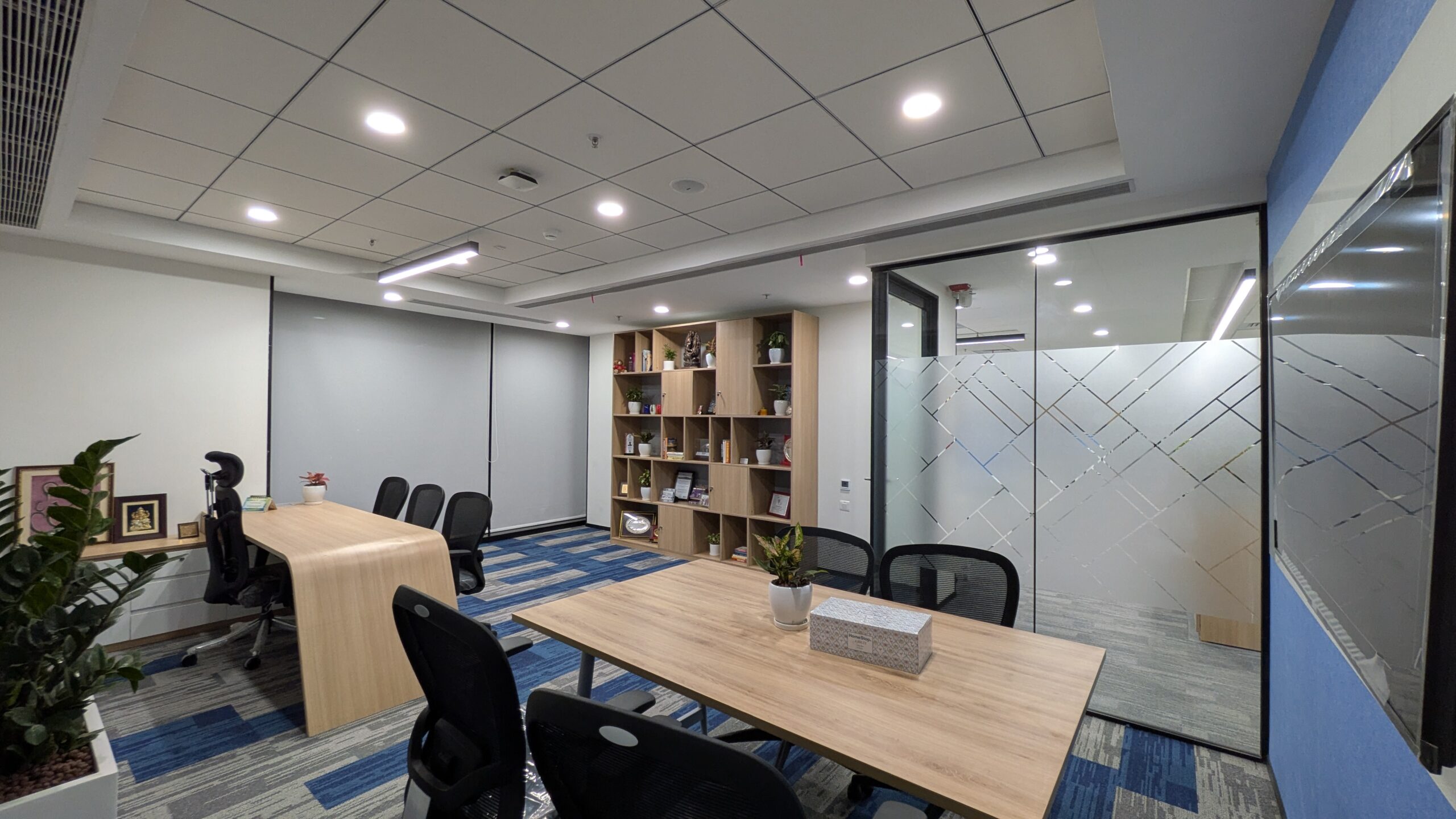
87% of all new office completions in India in 2025 were green-certified — and over 80% of 2026 pipeline supply is expected to carry green certification (CBRE / Hans India, March 2026)
Eleganz Perspective
Eleganz conducts a WELL-aligned wellness audit for every commercial project — scoring daylight quality, acoustic performance, air quality provisions, and thermal zoning against IWBI benchmarks. Clients get the benefit of the science without the certification overhead. We help you decide whether to certify once the design is already performing.
News & Reference Sources